
| Reader situation | Carry method | Main limit | Planning use |
|---|---|---|---|
| Easy runs of 20 to 30 minutes | Handheld phone strap | Uneven arm swing over long distances; sweaty palm | Pick for short, relaxed outings where you want the phone in hand. |
| Runs where you want the screen in view | Phone armband | Can chafe and trap sweat on long runs; awkward with large phones | Pick for shorter runs in mild weather and check phone fit first. |
| Long road runs of 10K and up | Running belt or waist pack | Phone comes out of the pocket to use | Pick for the least bounce and space for keys. |
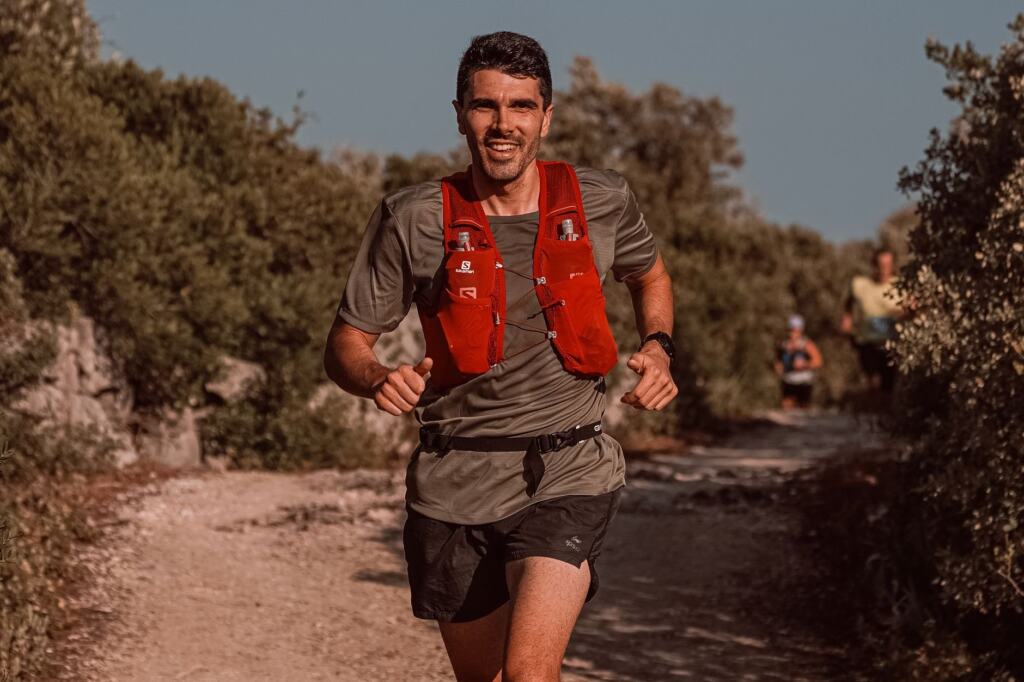
| Trail runs | Belt or running vest pocket | Vests carry more but sit higher on the body | Pick when you also carry water and snacks. |
Pairings above follow the carry-method guidance in Griplux’s phone accessories guide for runners and the trade-offs listed in PHLOOP’s phone holder guide.
The best phone holder for running depends on run length and where movement bothers you: a hand strap suits short easy runs, a waist belt suits long ones, and a vest pocket suits trails.
If you are also deciding what else to carry, our hub of running gadgets covers the wider kit. The sections below are grouped by the kind of run you do, so you can go straight to your situation.
Short, easy runs
For runs of about 20 to 30 minutes, a hand carry or an armband keeps the phone close and the setup simple. Both start to cost you comfort as distance grows.
Handheld phone strap
A handheld strap holds the phone against your palm, and Griplux lists a hand with wrist strap or grip as the carry for easy runs of 20 to 30 minutes. The same guide names the drawback: uneven arm swing over long distances. PHLOOP adds that a sweaty palm is a loss and that the phone is still only held by your hand.
A strap suits you if your runs are short and you check the phone often. Choose something else if you run long or want both hands swinging naturally.
Phone armband
An armband keeps the screen in view, which is its main appeal. Griplux notes that it can chafe and trap sweat on long runs. PHLOOP calls armbands hot and sweaty in warm weather, hard to use the screen through, and awkward with large phones.
That makes an armband a fair choice for shorter runs in mild weather with an average-sized phone. On a hot day or with a large phone, a belt is the more comfortable pick. Reviewer Running with Rock found that a universal armband’s sleeve stretches, so it should accommodate most phones, which is useful if you change phones or cases.
Long road runs
Once runs reach 10K and beyond, moving the phone off your arm and hand to your middle pays off. This is also where visibility on the road matters most.
Running belt and waist pack
A belt or waist pack is the strongest answer to bounce. Griplux points out that anything weighing about 200 grams will move when you do, and that a waist belt keeps weight near your center, so it bounces least. It lists the belt for long runs of 10K and up, with room for keys and a gel, and notes the phone has to be pulled out to use.
On comfort, PHLOOP describes a running belt as barely noticeable and able to carry keys and cards too. Running with Rock adds that your phone slips into a pocket and most belts have additional pockets for other things. For a phone and keys together, a waist pack is the natural choice, and Proviz positions its running waist belt and phone holders as a great accessory to store your phone and keys.
Choose a belt if you run long, run in heat, or carry keys. Skip it if you need to glance at the screen mid-stride and do not want to stop and pull the phone out.
Reflective trim for road runs
If you run on roads at dawn or dusk, reflective trim is worth weighing as much as capacity. Proviz markets its arm bands to help you stay visible and safe during your runs, with reflective and LED options. Its belt carries the Flexi Viz name and its vest and phone holder carry the REFLECT360 name, so visibility features are available across carry methods, not only on armbands.
Trails and longer efforts
Trail running tends to mean carrying more than a phone, so pockets and fit matter more than screen access.
Running vest
Griplux recommends a belt or running vest pocket for trail runs. A vest suits you when you carry fluids and fuel as well as a phone, because Running with Rock notes that these vests can easily accommodate a phone along with water and snacks.
The trade-off is bulk. A vest is more kit than you need for a short road run, so save it for longer outings where one garment replaces several carries. If you only need to take a phone and keys, a belt is simpler.

Matching a holder to your phone
Fit decides whether a holder works, so check your phone against the holder before comparing brands.
Phone size and case
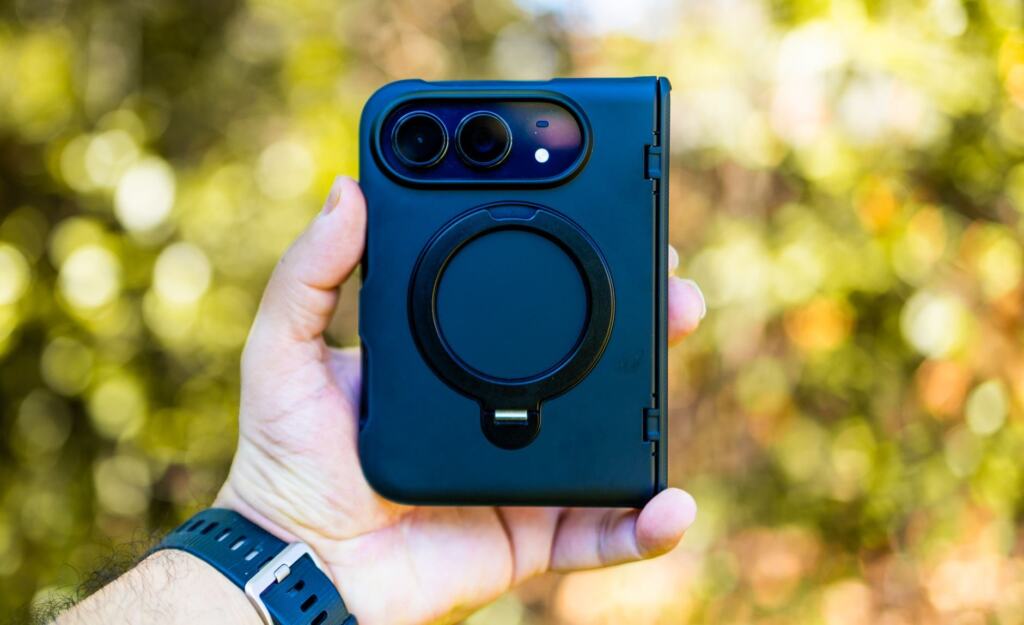
Look for the manufacturer’s stated maximum phone size, then compare it with your phone’s published dimensions with its case on. A cased phone is bulkier than the bare handset, and holders are most awkward when the phone is large. Armbands are the method PHLOOP flags as awkward with large phones, while a belt pocket or vest pocket gives more room to spare.
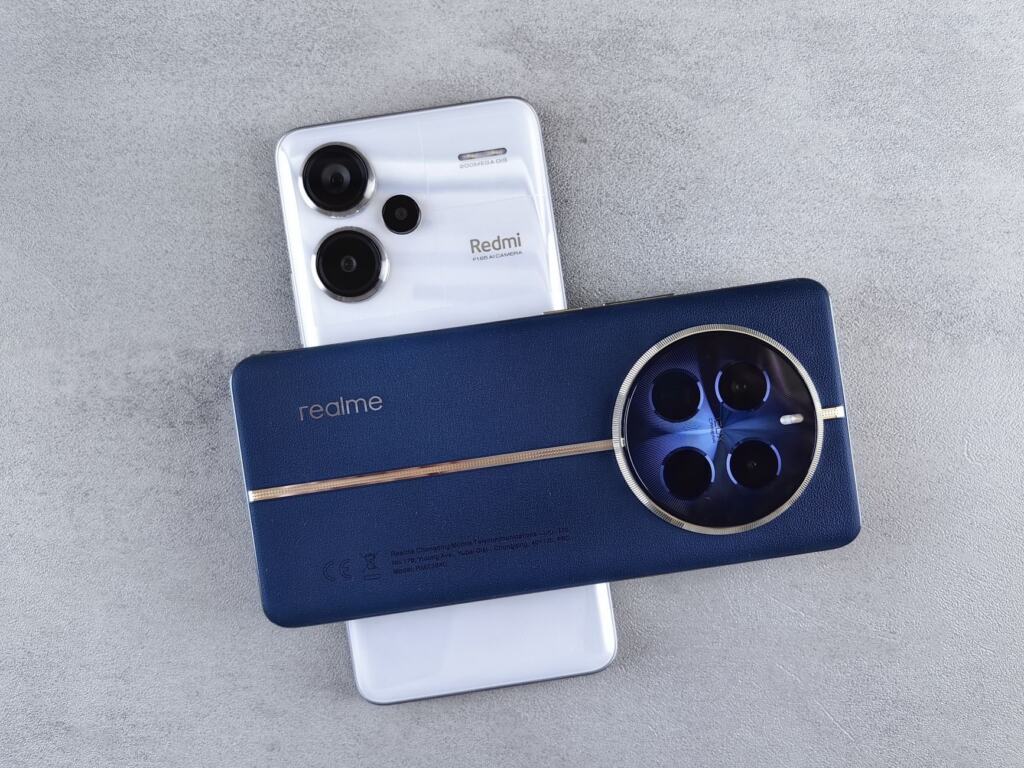
If a belt stores a large phone and keys together depends on the pocket’s stated capacity, so check that figure before relying on it.
Sweat and cleaning
Sweat handling depends on where the holder touches your skin and what it is made of. Armbands can trap sweat against the arm, and a hand strap leaves the phone against a sweaty palm. A belt sits against clothing at the waist, which is one reason it suits hot runs. For a wrist tether, PHLOOP describes its material as medical-grade silicone that rinses clean, which is the kind of easy-wash material to look for on any holder you wear against skin.

Before you buy
Think about what the phone is for on a run. If you mainly use it to record distance, the best running apps may change whether you need the screen in view at all. If a wrist device could take over that job, compare a running watch vs smartwatch before spending on a holder.
Frequently asked questions
| Question | Answer |
|---|---|
| What do these holders cost? | Running with Rock puts a universal armband at $10 and a Flip Belt at around $25 to $30. Proviz lists its Classic Flexi Viz Cycling/Running Belt and REFLECT360 Reflective Running Phone Holder at $31.00 each, and the REFLECT360 Reflective Running Vest Phone Holder at $52.00. |
| Can a shorts pocket carry a large phone? | Running with Rock describes one pocket as big enough to hold large phones (like the iPhone Plus). Pocket sizes vary, so confirm your own phone fits before a long run. |
| What does a wrist tether add? | PHLOOP’s tether is described as a 10 kg-rated tether with a 316L steel clasp, at ₹499 at launch. It adds a safety line to the phone rather than a place to carry it. |