
| Situation | Light | Stated or tested figures | Planning use |
|---|---|---|---|
| Unlit roads | Ravemen K1400 | IPX7; about 177 g; quoted 1.5 h at maximum output; up to 23 h claimed | Big front light for dark lanes in wet weather; drop to lower modes for long rides |
| Unlit roads | Cateye AMPP 2200 | 2200 lumens for 60 min, 1500 lumens for 90 min; 211 g; IPX4 | Very bright for shorter dark sections, with less waterproofing than some rivals |
| Commuting | Cygolite Metro 750 | Up to 750 lumens; separate daytime and nighttime flash options | One light for dark and daylight commutes |
| Commuting | Busch & Müller IXON Core Flash | 110 g; 4 h 30 min measured battery life | Light unit with a lens that focuses the beam on the road |
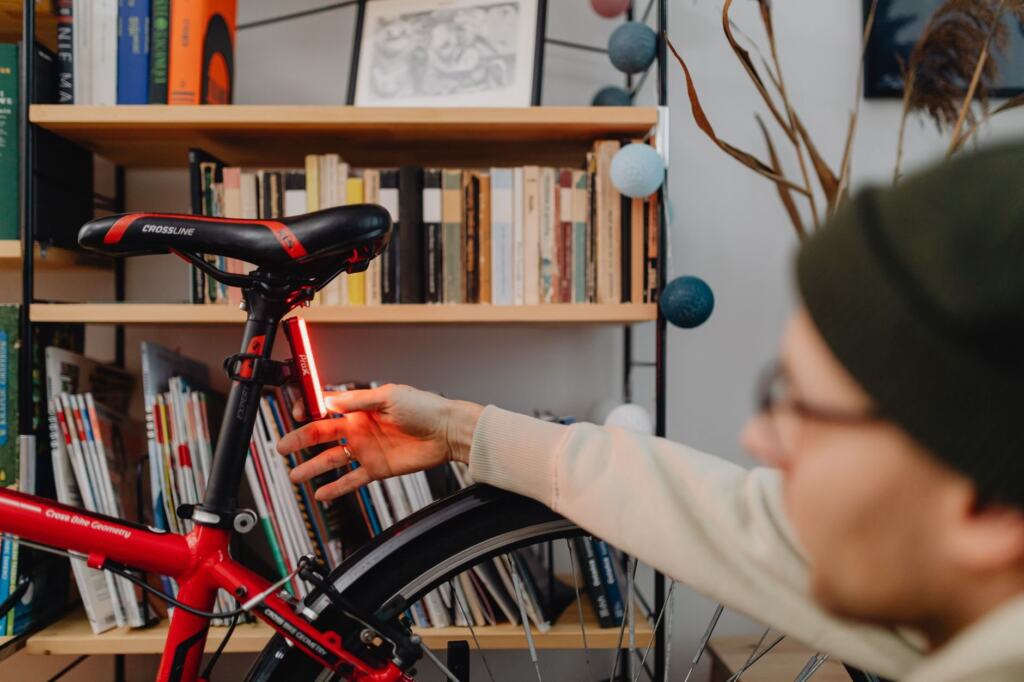
| Daytime | Ravemen TR500 (rear) | Best daylight running mode among the rear lights tested | Rear light for standing out in daytime traffic |
| Daytime | Cygolite Hotshot Pro 80 | 50 lumens steady; up to 80 lumens flashing | Modest output aimed at being seen rather than lighting the road |
Figures come from the independent Bike Light Database reviews and the Cycle Manner buyers’ guide.
The best bike lights depend on where you ride: unlit roads need a focused front beam with real runtime, commuting needs glare control and a bright rear, and daytime riding needs a rear flash.
This list is grouped by riding situation rather than ranked by raw brightness. For more kit to pair with your lights, browse our cycling gadgets hub.
Unlit roads and long evening rides
On roads with no street lighting, a light has to show you the surface far enough ahead to react. An independent bike lighting guide says a lux rating of about 40 means you can see about 35 m. It also says a lux rating of 80-120 with total output of 260 lumens or more is good enough for 60-70 m ahead.
Treat the longer distance as the target if you ride quickly on dark roads. A light that only reaches 35 m suits slow riding where you mainly want to be seen.
Ravemen K1400
The Cycle Manner buyers’ guide rates the K1400 at IPX7 for water resistance, meaning it is designed to be fully protected in heavy rain. It weighs about 177 g.
The battery claim is up to 23 h on a full charge, but the reviewer’s light lasted slightly longer than the quoted 1.5 h at maximum output. That gap is the practical lesson: this suits riders who want a powerful headlight for wet, dark lanes, and who will run it on lower modes for most of a long ride.
Cateye AMPP 2200
The same guide lists the AMPP 2200 at 60 minutes at full 2200 lumens, extending to 90 minutes at 1500 lumens. It weighs 211 g and has an IPX4 rating, which the guide describes as slightly lower than some rivals.
It suits riders who need very high output for a limited dark stretch and ride mainly in dry weather. For long rides in rain, the K1400’s higher water resistance and longer lower-mode runtime are the safer fit.
Commuting through town
In lit streets, being seen and not dazzling others matter more than reach. The Bike Light Database notes that a wider, flatter diffused beam reduces glare into the eyes of oncoming people. It also describes Busch & Müller IXON lenses as focusing light on the road rather than at the sky or oncoming eyes.
That is a good reason to prefer a shaped beam over the highest lumen number if your commute is mostly lit.
Cygolite Metro 750
The Metro 750 puts out up to 750 lumens and has different flash options optimised for daytime and nighttime, according to the Bike Light Database. It suits commuters whose route runs from daylight into darkness and who want a single front light for both.
Treat 750 lumens as a ceiling. In lit streets a lower mode is kinder to oncoming riders and pedestrians, and keeps the top output for dark stretches.
Busch & Müller IXON Core Flash
The IXON Core Flash weighs 110 g and had a measured battery life of 4 h 30 min in the same database. It suits riders who want a light unit with a focused beam for mostly lit routes.
That runtime is enough for a short commute but calls for regular recharging if you ride every day. It is a poor match if your route includes long unlit sections.
Trek Ion Pro RT and Flare R City
Trek lists the Ion Pro RT front light at 124.99 USD and the Flare R City rear light at 44.99 USD on its US bike lights page. These are manufacturer list prices and can change. Check Trek’s page for current output and runtime before you commit, and compare those figures with the mode you will use daily.
Daytime riding and gloomy weather
Daytime running lights are worth using in poor light and in traffic. Cycle Manner says gloomy autumn and winter conditions are well suited to lights with daylight running, and Bicycle Warehouse says lights help you stand out during daylight hours in traffic.
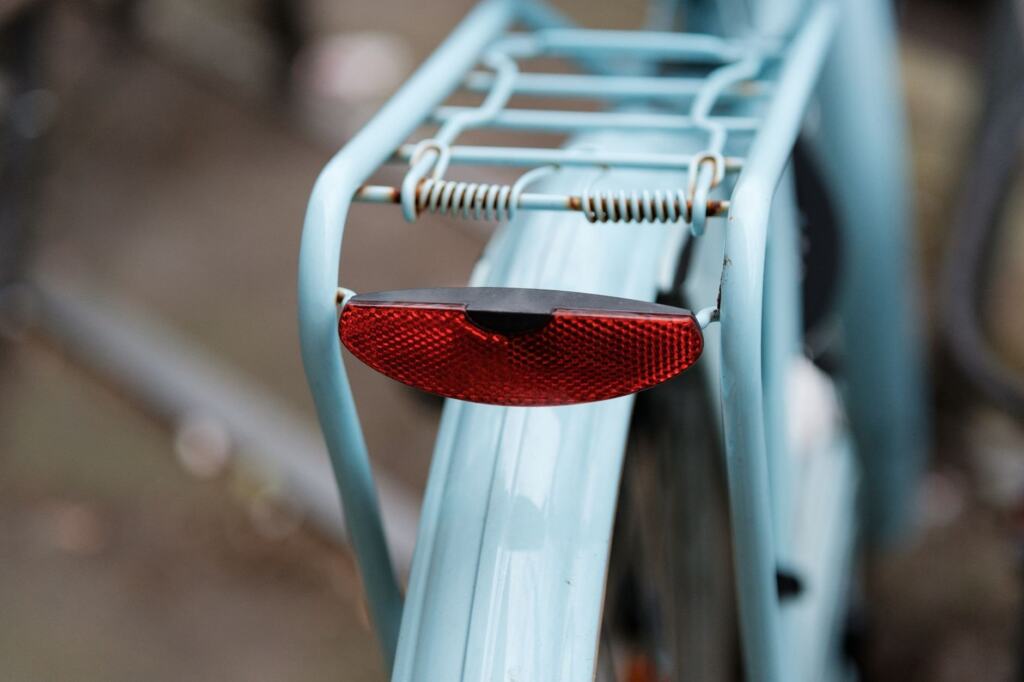
A rear light is the easiest place to start, because a flash is cheap to run. If you also want warning of vehicles approaching from behind, our best bike radar guide covers rear lights with radar.
Ravemen TR500
In the Cycle Manner tests, the TR500 easily offered the best daylight running mode and the brightest output of any rear light. It suits riders who commute on busy roads in daylight and want the most conspicuous rear light in the group.
Cygolite Hotshot Pro 80
The Hotshot Pro 80 puts out 50 lumens steady and up to 80 lumens in flashing mode, according to the Bike Light Database. That is modest output, so it suits riders who want a simple always-on flash to be seen by traffic, not a light to illuminate the road.
Charging and runtime
Rechargeable lights trade runtime against output, and the runtime on the box usually applies to one mode. Look up the figure for the mode you will actually use, not the best number on the packaging.
Charging type
The Cateye Volt 100 has an internal lithium battery recharged through a micro USB port, according to the Bike Light Database. The Fenix BC21R has a user-accessible 18650 lithium battery and built-in USB charging.
The BC21R suits riders who prefer a battery they can reach themselves rather than a sealed unit. Whichever you pick, match your cable to the port: a micro USB light needs a different lead from a USB-C one.
Runtime in practice
The same database lists the Volt 100 at a claimed 2 h, and it dropped into flashing mode after 2 h 25 min when measured. That behaviour is worth knowing if you rely on steady output at the end of a ride.
The IXON Core Flash had a measured battery life of 4 h 30 min. Both figures are short enough that a rider on a daily commute should plan a charging routine rather than wait for the light to dim.
Lumens, lux and road rules
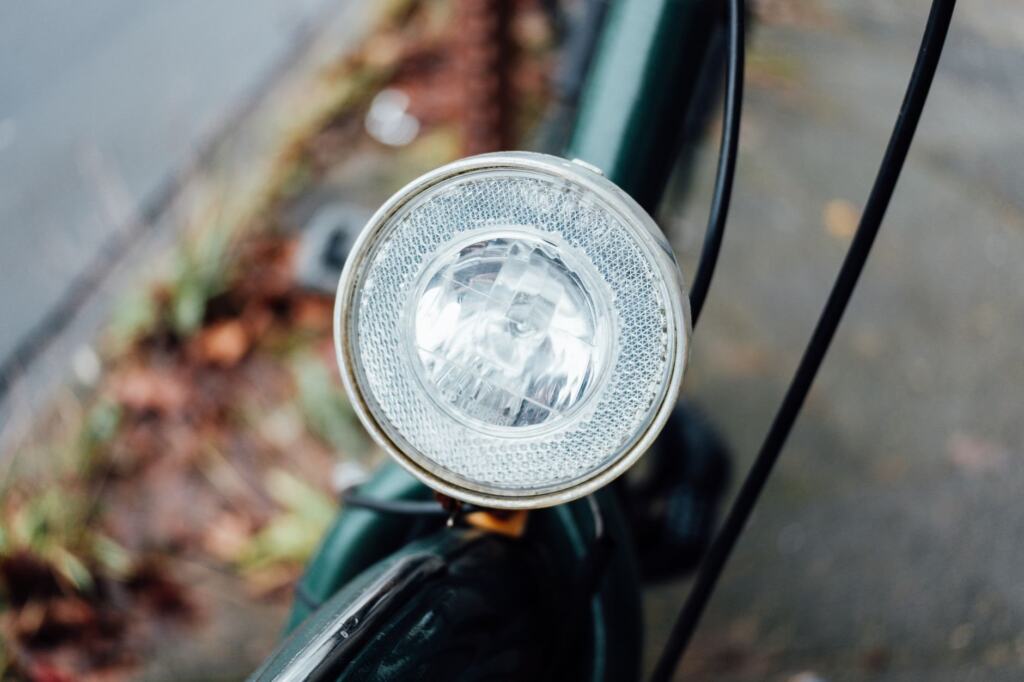
Lumens describe total output, while lux describes how much light lands on the road. The lighting guide says that for cutoff beams you usually see specifications in lux, as that is the main requirement for StVZO. A high lumen figure alone therefore does not show that a light meets a road standard.
Requirements differ between countries and regions, so check your local road authority’s current rules before relying on a light for use on public roads. These checks help when you compare spec sheets:
- Beam and lux. Look for lux or beam-pattern information next to the lumen figure, especially for lights that must meet a standard.
- Mode-specific runtime. Find the runtime at the output you will ride at, and note whether the light drops to a lower or flashing mode as the battery fades.
- Rain protection. Compare the stated water resistance rating if you ride in wet weather, as ratings differ between models.
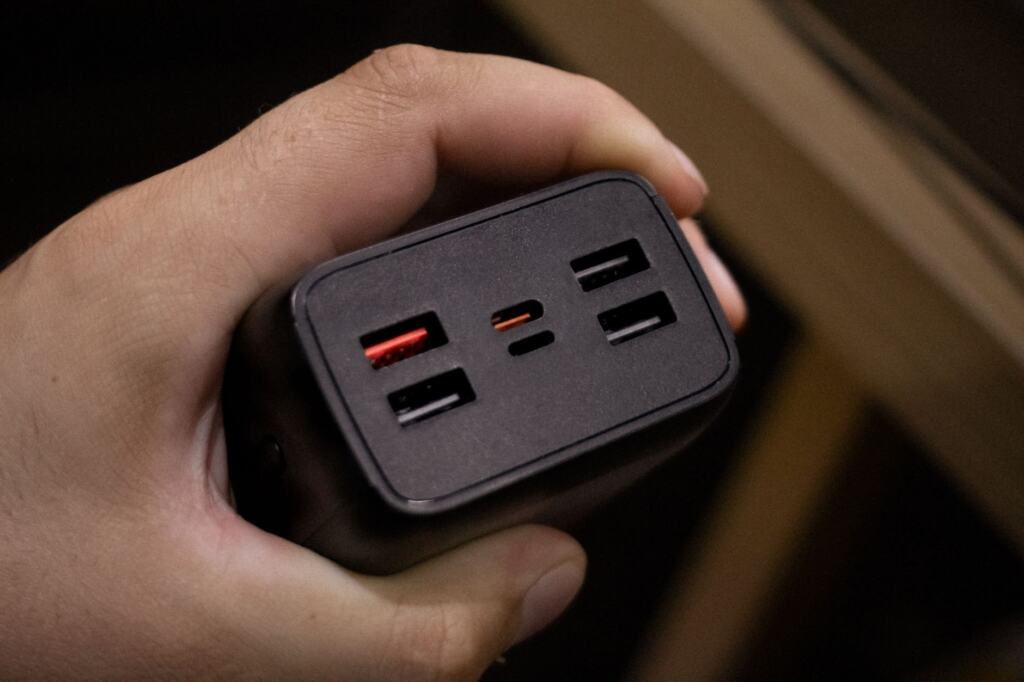
- Port and weight. Check the charging port and the weight if the light will be carried on a helmet or a small handlebar mount.
Frequently asked questions
| Question | Answer |
|---|---|
| Do advertised lumens match what a light delivers? | Not always. The Bike Light Database reports that the Cateye Volt 100, advertised at 100 lumens, was measured at 160 lumens on high by MTBR, so use lumens as a guide alongside beam pattern. |
| Does a light with a flashing mode meet StVZO? | The lighting guide states that any light with a flashing mode is not approved. Riders in StVZO regions should check approval before relying on a flash-capable light. |
| How much longer does a daytime flash run than full output? | On the Cateye AMPP 2200, Cycle Manner lists up to 60 hours on a daytime flash against 60 minutes at full 2200 lumens. |