
| Situation | Monitor and type | Battery | Connectivity | Planning use |
|---|---|---|---|---|
| One dependable default | Polar H10 (chest strap) | CR2025 coin cell, up to 400 h | Bluetooth and ANT+ | Best starting point for most riders and most head units. |
| Simple strap for a Garmin setup | Garmin HRM 200 (chest strap) | CR2032 coin cell, up to 1 year at 1 h/day | Sends data to Garmin watches, Edge computers and fitness equipment | Suits riders already in the Garmin ecosystem who accept a replaceable battery. |
| Rechargeable strap | Garmin HRM 600 (chest strap) | Rechargeable, up to 2 months at 1 h/day | Garmin devices; can record alone with the Garmin Connect app | Removes coin cell swaps for frequent riders. |
| Several devices at once | Wahoo TRACKR HEART RATE (ECG strap) | Rechargeable, over 100 h per charge | Up to 3 simultaneous Bluetooth connections plus ANT+ | Best fit for riders who pair a head unit, phone and trainer app together. |
| No chest strap | Polar Verity Sense (optical armband) | Rechargeable, up to 30 h | Not listed here | Comfort-first choice with a wide operating temperature range. |
| Armband plus ANT+ head unit | Wahoo TICKR FIT (armband) | Not listed here | 1 Bluetooth connection at a time plus ANT+ | Simple pairing, but only one Bluetooth device at once. |
Battery and connectivity figures come from the Rydecruz cycling heart rate monitor buying guide.
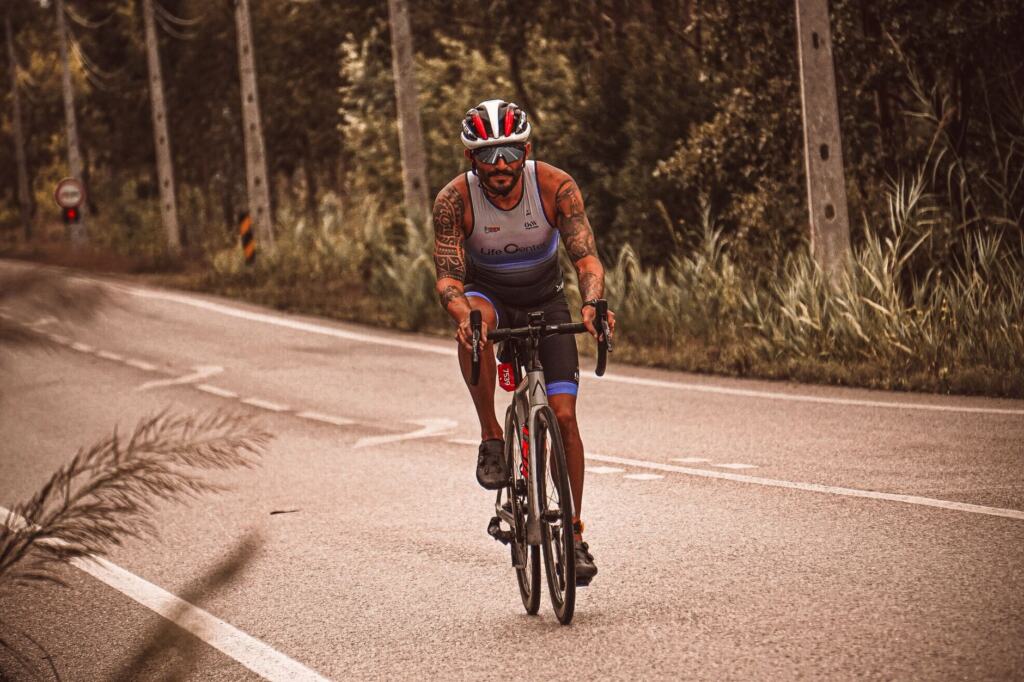
The best heart rate monitor for cycling is a chest strap for most riders, because it sits under the jersey and ignores grip and road vibration. Choose an optical armband only when strap comfort is the real problem.
The picks below are grouped by the situation you are buying for. For more kit that pairs with these sensors, browse our cycling gadgets hub.
Everyday road and mixed riding
A chest strap is the best all-round choice for most cyclists, according to the Rydecruz guide. It works with every bike computer that supports ANT+ or Bluetooth heart rate, so the choice comes down to battery habits and brand fit.
Polar H10
The Polar H10 suits riders who want one sensor that talks to almost any head unit. It broadcasts on Bluetooth and ANT+, and its coin cell lasts up to 400 hours. A cycling retailer’s guide also recommends it for exceptional accuracy and reliability. The trade-off is that you manage a replaceable coin cell rather than a charging cable, which suits riders who prefer to forget about charging for a whole season.
Garmin HRM 200
The Garmin HRM 200 is the simpler, lower-maintenance Garmin option. Its coin cell is a CR2032, rated for up to a year at one hour a day. It sends heart rate to Garmin watches, Edge computers and fitness equipment, which makes it a natural match if your head unit and watch are already Garmin. Riders who train most days and want a battery that outlasts a season should read the rechargeable option below instead.
Garmin riders who prefer rechargeable
Garmin HRM 600
The Garmin HRM 600 is rechargeable and runs up to two months at one hour a day, so it suits frequent riders who would rather plug in a strap than hunt for coin cells. It also stays useful away from the bike computer, which is covered in the questions at the end. The trade-off is routine: a rechargeable strap needs a charging habit, and a flat one on the morning of a long ride is a plain inconvenience.
Riders who use more than one device
Wahoo TRACKR HEART RATE
The Wahoo TRACKR HEART RATE is a rechargeable ECG strap with over 100 hours per charge. It supports up to three simultaneous Bluetooth connections plus ANT+. That suits a rider who streams to a head unit, a phone app and a trainer platform at the same time without dropping one of them.
If you have not yet settled on a display, decide that first. Our bike computer vs phone comparison covers that choice, and the display you pick decides which connection you will actually use.
Riders who dislike a chest strap
Optical monitors measure blood-volume changes under the skin using light, a method called photoplethysmography (PPG). They trade some reliability for comfort, so they suit riders who find a band around the ribs irritating and who can keep the sensor snug.
Polar Verity Sense
The Polar Verity Sense is an optical armband with a rechargeable battery rated up to 30 hours. Its operating range of -20 °C to +60 °C is the widest in this list, which helps through cold seasons and hot days alike. It is the armband to pick if you want a rechargeable, forearm-worn sensor.
Wahoo TICKR FIT
The Wahoo TICKR FIT is simpler. It pairs with one Bluetooth device at a time, plus ANT+. That works well when a single head unit is the only receiver, but it is a limit if you ride with a phone and a bike computer together. In that case the TRACKR above is the better fit.
Garmin HRM-Fit
The Garmin HRM-Fit clips directly onto the band of a sports bra instead of using a separate chest strap. It suits riders who find a standalone strap uncomfortable but still want a torso-based sensor. It needs a band with a suitable width, 19-50 mm, so check your own garment before ordering.
How sensor type affects accuracy on a bike
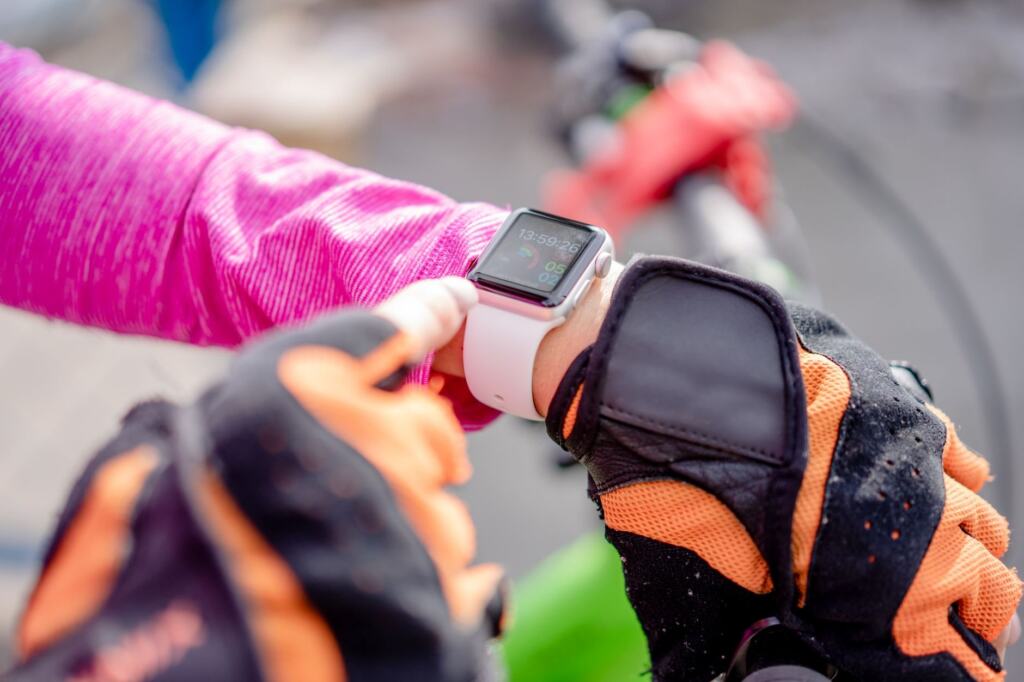
Armband accuracy depends mainly on fit and conditions. An optical sensor needs a snug fit, and movement, tattoos and very cold skin can all affect its readings. The problem is worse at the wrist: the wrist is bent over the bars, tendons flex as you grip, and road vibration moves the watch. A forearm armband avoids the bend, but the snug-fit requirement still applies.
Use these rules to decide between the two types:
- Choose a chest strap if you ride hard intervals, ride in the cold, or want the least fuss with fit.
- Choose an armband if a strap is uncomfortable and your rides are steady, so a minor reading wobble matters less.
- Avoid a wrist watch alone on a road bike if accurate readings matter, because of the bent-wrist and vibration problems above.
Cold-weather riders
Operating temperature should shape the choice if you ride through winter. The published ranges differ clearly between models.
- Polar Verity Sense: -20 °C to +60 °C, the widest range here and the safest choice for the coldest rides.
- Polar H10: -10 °C to +50 °C, which covers typical cool-weather riding.
- Garmin HRM family: 0 °C to 40 °C. Garmin’s published range stops at 0 °C, so riders who regularly go below freezing should lean towards a Polar.
Very cold skin can also degrade optical readings, so the wide Verity Sense range does not make it the best cold-weather accuracy choice. A strap under a base layer is still the safer pairing for deep winter.
Riders training by heart rate zones
Heart rate zones divide effort into bands, each expressed as a percentage of maximum heart rate. A cycling retailer’s guide gives a rough maximum as 220 minus your age and splits the effort into these bands:
- Zone 1, Recovery: 50-60% of maximum heart rate.
- Zone 2, Endurance: 60-70% of maximum heart rate.
- Zone 3: 70-80% of maximum heart rate.
- Zones 4-5, Threshold and above: 80-100% of maximum heart rate.
Treat 220 minus age as a rough estimate, not a measured limit. If your own hard-effort readings sit well above or below it, your bands need adjusting. Set the bands on your head unit once, and the monitor then shows which zone you are in during the ride.
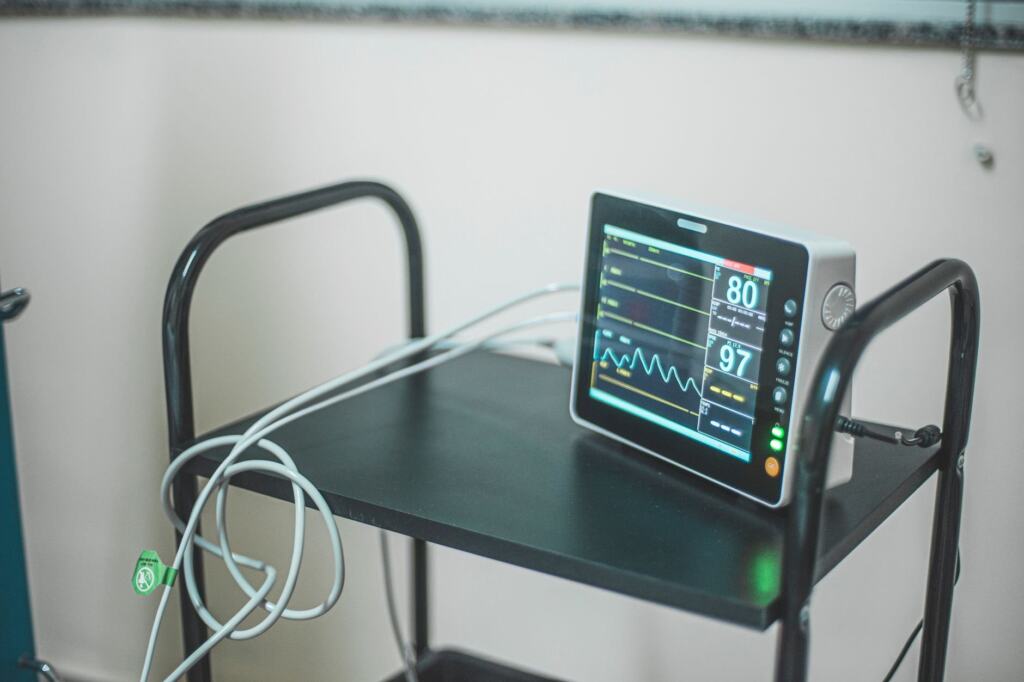
Riders who also want to see output at the pedals can pair a heart rate sensor with the best power meter for cycling. The monitor then shows how hard your body is working while the meter shows what the legs are producing.
Frequently asked questions
| Question | Answer |
|---|---|
| Can a heart rate monitor connect to my bike computer? | Yes, if the head unit supports ANT+ or Bluetooth heart rate. A chest strap works with every bike computer that does, and Garmin straps also send data to Edge computers. |
| Do all chest straps use the same battery? | No. Most use a CR2032, but the Polar H10 takes only a CR2025, and Polar warns that a CR2032 can damage it. The Garmin HRM 600 and Wahoo TRACKR HEART RATE are rechargeable. |
| Can a monitor record a ride without a bike computer? | The Garmin HRM 600 can record an activity on its own when paired with the Garmin Connect app. |