
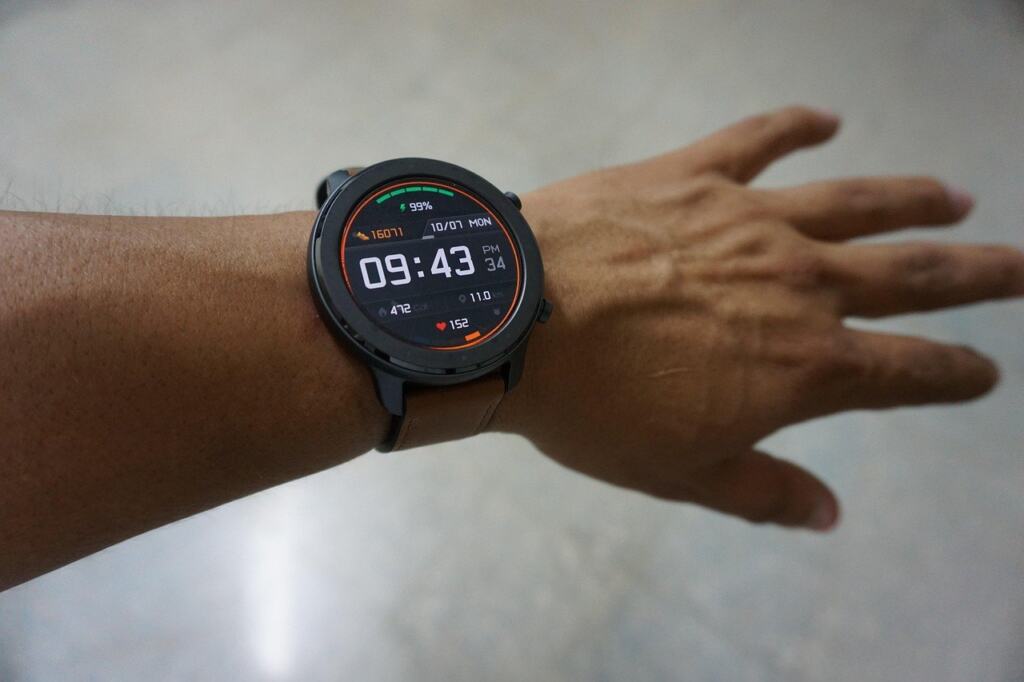
The best heart rate monitor for running suits most runners as a chest strap, such as the Polar H10, because it reads the heart’s electrical signals directly. Pick an optical armband instead if a strap irritates or feels intrusive.
Heart rate sensing is one part of a wider kit, and the running gadgets hub covers the rest. If you also train with music, the best running headphones guide is the natural companion, and the best running foot pod guide covers pace and cadence sensing.
Choosing by sensing method
The sensing method matters more than the brand, so this list is grouped by how each device reads your pulse. It is an ordered selection by fit, not a ranking from controlled tests.

- Chest strap: a strap sits against the torso and directly measures your heart’s electrical signals. That is the principle behind electrocardiography, and it is why a strap is the sensible default when you train to heart rate targets.
- Optical armband: a band on the upper arm or forearm reads the pulse with light instead of electrical signals. It suits runners who find a chest strap uncomfortable.
- Wrist optical sensor: the sensor built into a running watch needs no extra hardware. It is the most convenient route, but a strap is the better partner when interval targets depend on a quick, steady reading.
In PCMag’s review notes, the Polar H10 and Polar H7 straps both carry a 4.5 rating, while the optical Polar OH1+ armband is rated 4.0. Those scores are editorial ratings of the whole product, not a measured accuracy gap.
Chest strap monitors
Chest straps are the strongest all-round choice for runners who want dependable readings, and every strap below pairs with a watch or phone rather than replacing it.
Polar H10
PCMag calls the Polar H10 versatile, comfortable and highly accurate, one of the best heart rate monitors money can buy. It is the first pick here for runners who want one strap for most uses. Its limitation is the one every strap shares: you must wear it against the chest, so it will not suit anyone who dislikes that feel.
Garmin HRM 600
The Garmin HRM 600 is a premium chest strap, listed as an advanced heart rate and HRV performance tracker. It suits runners who already use a Garmin watch or want recovery-related data alongside live heart rate. It is the priciest strap in the table below, so it is harder to justify if you only need a pulse reading.
Wahoo Tickr
The Wahoo Tickr provides steady Bluetooth connectivity to both Android and iPhone apps for running. It suits phone-based runners who log workouts in an app and do not need a dedicated watch. It is the lowest-priced strap in this list.
Wahoo Trackr
The Wahoo Trackr Heart Rate is a rechargeable chest strap that is easy to use. A rechargeable design means no coin-cell replacements, but you must remember to charge it before long runs, and its stated battery life should be confirmed on the maker’s spec sheet.
Polar H7
PCMag rated the Polar H7 an Editors’ Choice, describing it as one of the best and most accurate heart rate monitors for sports and fitness. It suits buyers who find a good deal on an established strap. The H10 is the more prominent current recommendation.
Optical armbands and wrist sensors
Optical devices trade some of the strap’s direct signal for comfort. They are worth choosing when wearing a strap would stop you running regularly.
Polar OH1+
The Polar OH1+ is an optical armband heart rate monitor rather than a chest strap. It suits runners who want a separate sensor without anything around the ribcage. PCMag’s 4.0 rating sits below the straps, so treat it as the comfort option rather than the accuracy option.

Scosche Rhythm+
The Scosche Rhythm+ armband collects your heart rate data and works with ANT+ and Bluetooth devices. Because it speaks both protocols, it is the most flexible armband when you switch between a watch, a bike computer and a phone app.
Wrist optical watches
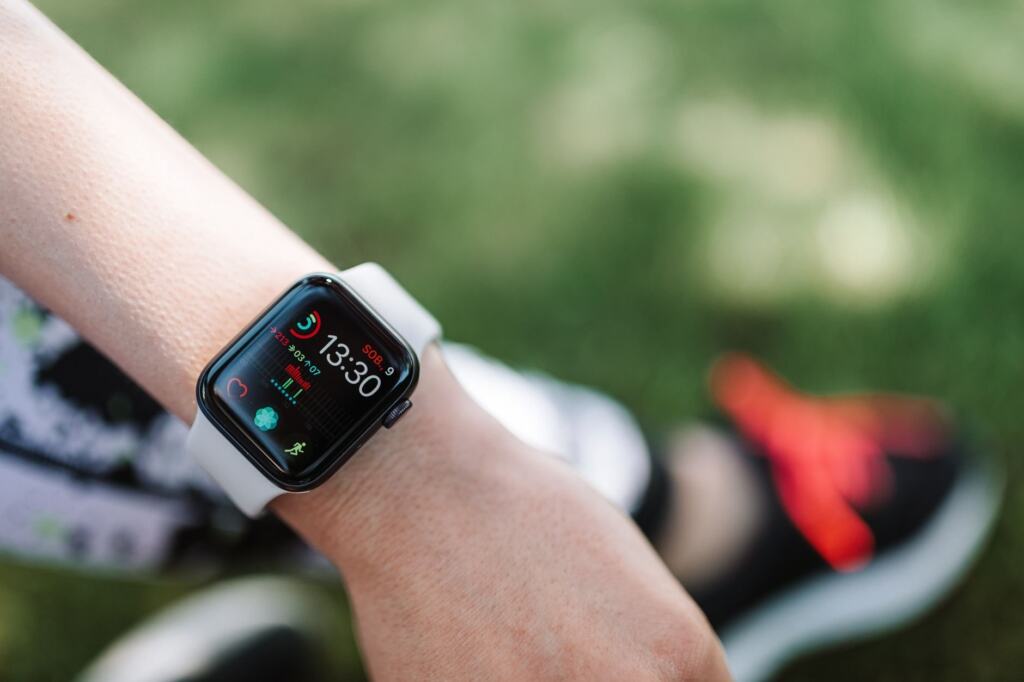
A running watch with built-in heart rate sensing is the simplest setup, because there is nothing extra to put on or charge. Use it for easy runs and general tracking. For structured sessions where you hold a target, pair the watch with a strap or armband and let the watch display the live reading.
ANT+ and Bluetooth Low Energy compatibility
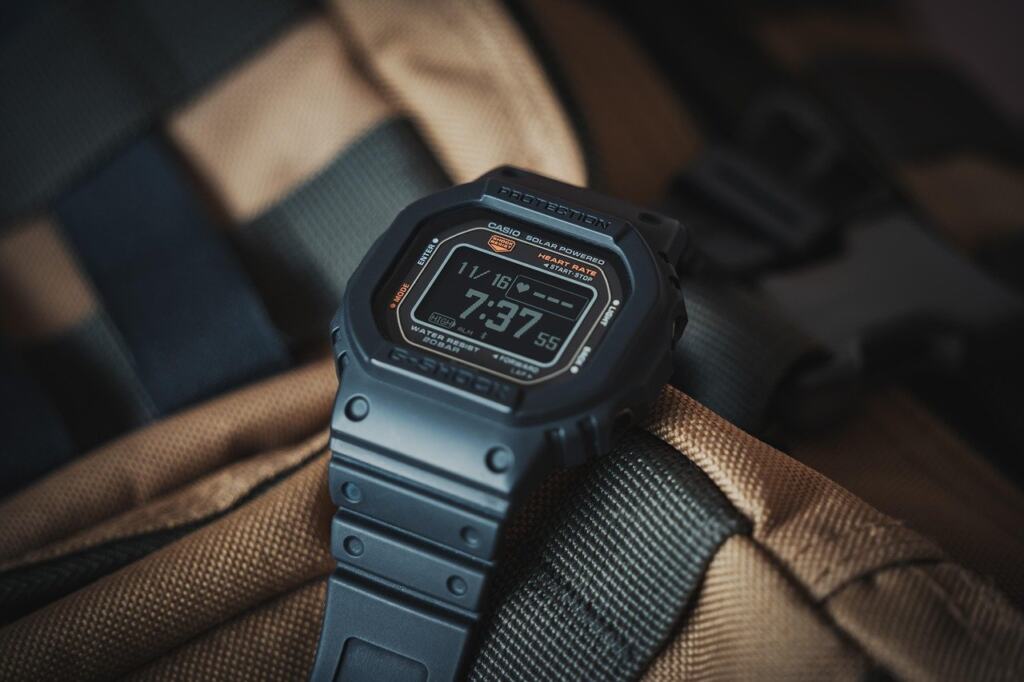
Check the protocol before you check the price, because a strap is only useful if your watch or app can receive its signal. Phone apps typically need Bluetooth, as with the Wahoo Tickr, while the Scosche Rhythm+ covers both ANT+ and Bluetooth.
For the other devices here, confirm the supported protocols on the manufacturer’s spec sheet and match them to your watch or app. A dual-protocol sensor is the safer purchase if you use more than one receiving device.
Comparison of the monitors
| Device | Sensing method | Connectivity | Price at listing | Battery | Planning use |
|---|---|---|---|---|---|
| Polar H10 | Chest strap | Check spec sheet | $104.45 at Amazon at review | Check spec sheet | Best all-round pick |
| Garmin HRM 600 | Chest strap | Check spec sheet | $159.99 (compare-at $169.99) | Check spec sheet | Data-focused Garmin users |
| Wahoo Tickr | Chest strap | Bluetooth to Android and iPhone apps | $59.95 at review | Check spec sheet | Phone-app runners on a budget |
| Wahoo Trackr | Chest strap | Check spec sheet | $99.52 at Amazon at review | Rechargeable | Runners who prefer charging to replacing cells |
| Polar H7 | Chest strap | Check spec sheet | Not listed | Check spec sheet | Editors’ Choice, 4.5 rating |
| Polar OH1+ | Optical armband | Check spec sheet | $64.90 at Amazon at review | Check spec sheet | Strap-averse runners |
| Scosche Rhythm+ | Optical armband | ANT+ and Bluetooth | Check current listing | Check spec sheet | Multi-device users |
Prices and descriptions come from PCMag’s heart rate monitor reviews and, for the Garmin HRM 600, a running monitor retailer listing. Review-time prices change, so check the current price before buying.
Wearing a chest strap correctly
A strap only reads correctly when it is properly fitted, following the manufacturer’s instructions for use. Fit the strap before you leave the house rather than adjusting it mid-run, and glance at your watch to confirm a steady reading before you start. If the number looks wrong, refit the strap and read the maker’s instructions again before blaming the device.
Using readings with heart rate zones
Heart rate zones are generally categorized into five levels, each corresponding to different intensities. The monitor’s value is that it gives real-time feedback, so you can adjust your effort during the run instead of judging it afterwards.
Use the zone display for easy runs that tend to drift too hard. Because zone targets depend on a steady reading, a strap or armband paired with your watch is the better setup for that job.
Frequently asked questions
Which monitor costs least?
At the prices quoted in PCMag’s review, the Wahoo Tickr strap was lowest at $59.95, with the Polar OH1+ armband at $64.90. Both prices have since changed, so check a current listing.
Does a chest strap record more than heart rate?
The Garmin HRM 600 delivers heart rate and HRV data to compatible devices. Choose it if recovery-related data matters to you.
Is there a rechargeable strap?
Yes. The Wahoo Trackr Heart Rate is a rechargeable chest strap, according to PCMag. Confirm its runtime on the maker’s spec sheet before relying on it for long sessions.