
| Gadget | What it measures or solves | Planning use |
|---|---|---|
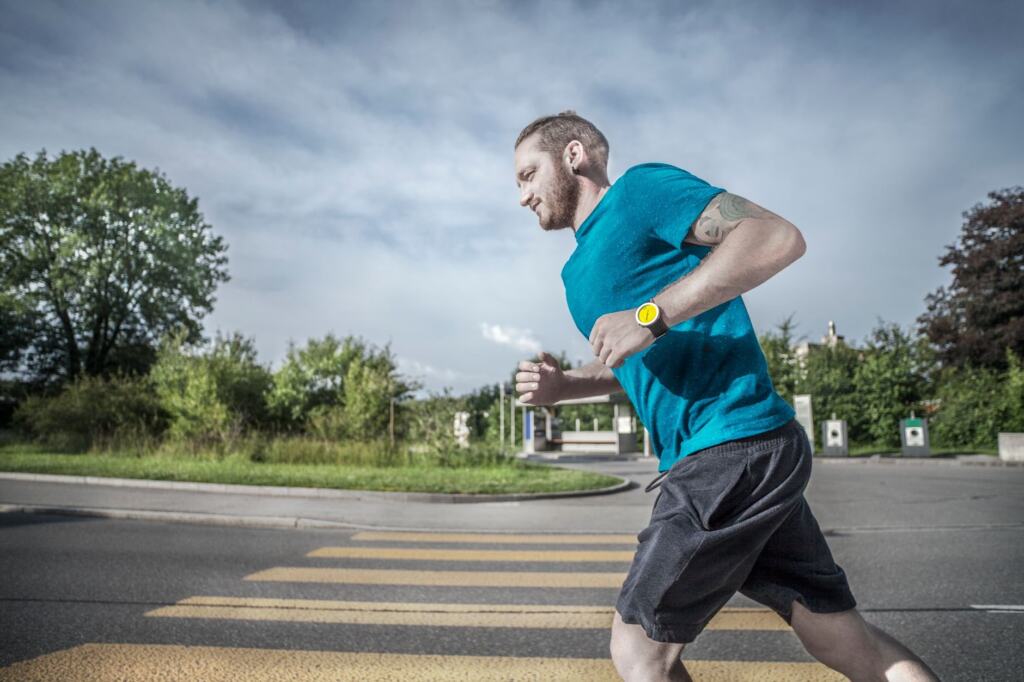
| GPS running watch | Pace, distance and effort on the wrist. Current models are more feature-packed and slimmer than older ones but still tend to be bulky. | Try one on for comfort before buying, because you will wear it on every run. |
| Foot pod | Adds accuracy for trail running or treadmill workouts, where wrist GPS is a weaker guide. | Consider it only if you run off-road or indoors regularly. |
| Hydration biosensor | Sweat loss and electrolyte concentration during a run, via a sticky patch on the upper arm. | A niche tool for runners who want individual data rather than general advice. |
| Chest light | Visibility in the dark. A 500 lumen LED chest light is listed at $40.00. | Buy before you need it, because dark evenings arrive quickly. |
| Running belt | Carries small essentials securely so they do not bounce or sit in a pocket. | Choose it when shorts and jacket pockets are not enough. |
Figures and descriptions in this table come from Marathon Handbook’s running gear coverage and Proviz’s running accessories range.
Running gadgets earn their place by measuring something or solving a problem, so start with a GPS watch for pace and distance and add lights, a carrying system or hydration gear only when your runs demand them.
This guide sorts the main categories by the job they do. Each section ends with a pointer to the deeper guide on that category, so you can decide what to buy first and what to leave for later.
Where to start
Most runners need far fewer gadgets than the shelves suggest. The sensible order is to measure first, then protect yourself, then carry, then refine.
- Begin with a watch. A GPS watch answers the questions that matter most: how far, how fast and how hard. Our guide to the best gps running watch options compares models by what they track.
- Add a light if you run in the dark. Running lights are highly recommended for running at night or in very low-light conditions, according to the Proviz accessories range. If your runs fall in daylight all year, this can wait.
- Sort out carrying next. A phone, keys and fuel need somewhere to live. Pick the carrying method before you buy headphones or sensors, because it decides how much else you can bring.
- Treat audio as optional. Headphones add enjoyment and some awareness trade-offs, but they measure nothing and fix no problem for most runs.
- Let run length drive hydration gear. Short easy runs rarely need anything. Longer ones raise the question, and the answer depends on how you run.
Measuring pace, distance and effort
Three gadgets cover measurement: the watch, the foot pod and the heart rate sensor. They overlap, so the useful question is which combination answers the questions you actually ask.
Running watch: what it records and who it suits
A running watch measures pace and distance by working out your position from satellite signals and your speed from how that position changes. It then shows the numbers live on the wrist and stores them for review. Many watches also report heart rate in real time. The Timex Ironman Run Trainer 2.0 is one example cited as measuring everything from distance to heart rate and giving runners instant access to the data.
Treat distance as an estimate that is best on open roads and less reliable among tall buildings or heavy tree cover. That is one reason foot pods exist, which the next section covers.
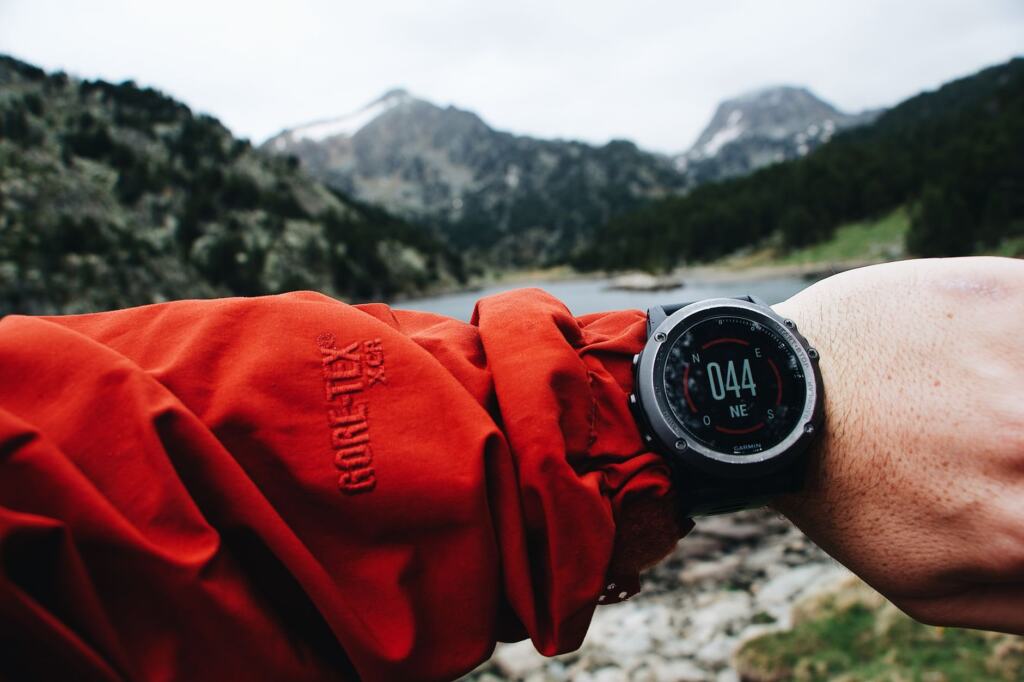
Who does a watch suit? Almost everyone who wants to repeat or improve a route. It is also the hub for everything else, because heart rate straps, foot pods and apps all report to it. If you are weighing it against a general smartwatch, running watch vs smartwatch sets out the differences. Once you own one, how to use a gps running watch for training explains how to turn the numbers into sessions.
Foot pod: when a wrist sensor is not enough
A foot pod is a small sensor that attaches to a shoe and reports movement from the foot rather than from satellites. Marathon Handbook describes the COROS Pod 2 as adding accuracy for trail running or treadmill workouts. Those are the two places a wrist watch struggles most: tree cover and winding paths on one side, no satellite signal indoors on the other.
The decision is simple. If you run mostly on open roads, a watch alone does the job. If you split time between a treadmill and trails, a pod gives you consistent data across both. The best running foot pod guide covers compatibility and fitting in more detail.
Heart rate zones: training by effort
Heart rate zones divide your effort into bands, from easy to maximal, so that you can run easy days easy and hard days hard. Biometric tracking has raised awareness of important fitness components, including heart rate, calorie expenditure and energy needs, according to TechNewsWorld’s roundup of running tech.
To train by zones, set your zones in the watch’s profile, then choose a zone for each session and watch the live reading as you run. Zones help most when pace is a poor guide, such as on hills, in heat or when you are tired. A heart rate reading shows the effort your body is making, whatever the pace. For hardware choices, from wrist sensors to chest straps, the best heart rate monitor for running guide compares them.
Choosing a GPS watch
The best GPS watch for running depends on your terrain, your budget and how long you need the battery to last, so no single model wins for everyone. What the evidence does support is how price relates to choice and where trade-offs sit.
Price and model steps
UK retail listings show Garmin’s Forerunner 70 GPS smartwatch at £219.99 and the Forerunner 170 at £259.99. Those two listings show how entry-level and mid-range running watches sit close together in price. When models are that close, choose on the features you will use weekly, not on the longest spec list. A runner who only needs pace, distance and heart rate gains little from paying for extras.
Trail, battery and comfort
- Trail running. Rough ground and tree cover reward navigation features and a pod. See the best trail running watch guide for what to look for.
- Battery. Long runs and ultra-distance events demand more battery. The running watch with best battery life guide compares them.
- Size. Even though GPS running watches have become more feature-packed and slim, they still tend to be bulky. Wear one for a full session before committing, especially if you have a small wrist.
Carrying your phone, keys and fuel
The right carrying method depends on what you bring and how far you go. A phone is the heaviest and most awkward item, so choose around it.
Armbands, belts and vests compared
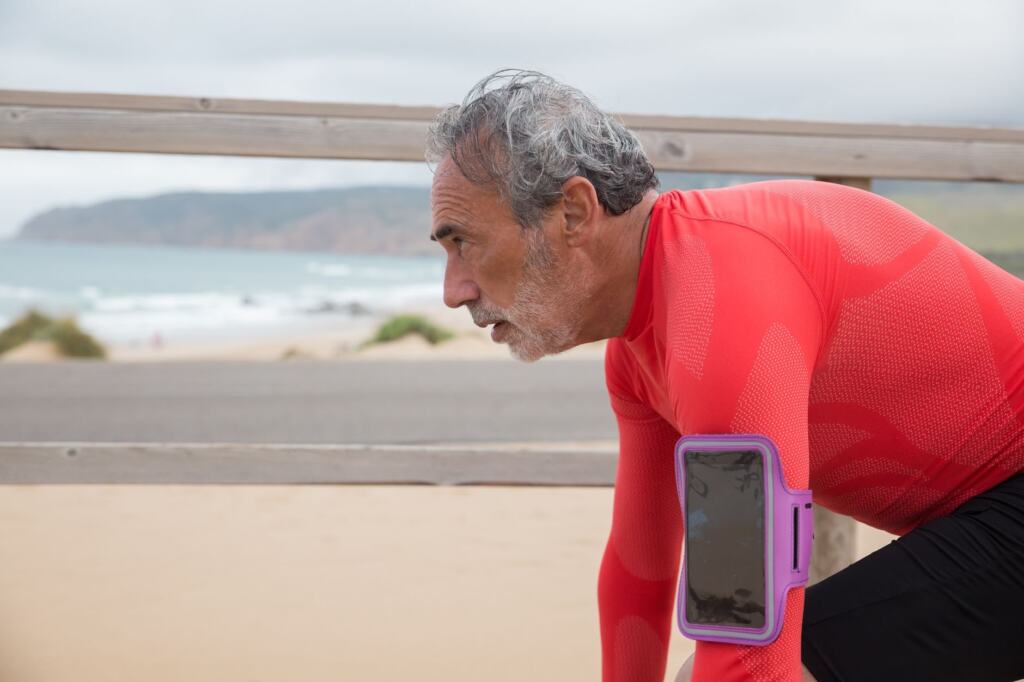
An armband keeps a phone visible and easy to touch. A belt spreads the weight around the waist and can hold small items. A vest suits longer runs where you carry fluid as well. The best phone holder for running guide compares the options by fit and security.
| Option | Listed price and detail | Planning use |
|---|---|---|
| Nike Pocket Arm Band Plus | $35 | Simplest way to carry a phone; suits short runs. |
| Nike 22 oz Flex Stride Running Hydration Belt | $45 | Combines a bottle with a waist belt for runs where you want fluid at hand. |
| Proviz REFLECT360 reflective vest with phone holder | $52.00 | Adds visibility to phone carrying when you run in low light. |
| Nike Trail Running Vest | 5L capacity, $130 | For longer trail runs that need more than a phone and a few small items. |
Prices are as listed on Nike’s running accessories page and Proviz’s running accessories range.
Which suits you
Pick an armband for short, easy runs where you only need the phone. Pick a belt if you carry gels, cards or keys as well, because it holds several small items in one place. Move to a vest when the run is long enough that fluid and layers join the load. The vest option also appears in our best running hydration vest comparison, which weighs capacity against bounce.
Audio: running headphones
Running headphones solve one problem, keeping music or a podcast steady without cords or slipping. The main choice is whether to block out the world or stay aware of it.

Are bone conduction headphones good for running?
Bone conduction headphones are a good fit for runners who want to hear traffic and other people while they listen, because they sit outside the ear canal and leave the ears open. They suit road and shared-path running more than noisy environments, where the open design lets background sound in. Retail listings show the OpenRun headphones at £129.00, which gives a sense of the price level for this style.
If you mostly want music in a quiet setting and do not need awareness, standard earbuds work and cost less. If you need to hear what is around you, open-ear designs are the better choice. The best running headphones list sets out the full range by fit, sound and battery.
Lights and visibility
Lights solve a safety problem, not a performance one. Whether you need one is decided by when you run, not by your pace.
Proviz states that running lights are highly recommended for running at night or in very low-light conditions. That is the clear dividing line: if your runs touch darkness, buy a light. The same page lists a chest-mounted LED light at 500 lumens for $40.00, a useful reference for what a compact running light costs.

Headlamp or chest light
A headlamp sends light where you turn your head, which helps on trails and technical ground. A chest light sits lower and steadier, and many road runners find it comfortable. For pavements and lit paths, a chest light is usually enough. For unlit trails, a headlamp is the safer choice. Our best headlamp for running guide compares them by brightness, weight and fit.
Hydration gear
Hydration gadgets range from a simple belt with a bottle to a sensor that analyses your sweat. Match the gear to the length of your runs and how much you want to personalise.
Belts and vests
A hydration belt suits moderate runs where a single bottle is enough. Nike lists a 22 oz Flex Stride running hydration belt at $45. For longer efforts, a vest carries more fluid and a few extras, and Nike’s 5L trail vest is listed at $130 on the same page. The running hydration gadgets guide compares the types in more depth.
Sweat and electrolyte monitoring
The Nix Biosensor is a wearable hydration monitor that adheres to the upper arm with a sticky patch. According to Marathon Handbook, it analyses how much sweat you lose during a run and the concentration of electrolytes lost in your sweat. That contrasts with the usual coach guidance to replenish electrolytes when exercise exceeds 60 minutes, which is not customised to the individual. The monitor is for runners who want their own numbers, not a general rule.
Race day setup
Race morning is the wrong time to learn a new gadget. Use the gear you trained with, and set it up the day before.
Race day checklist for runners
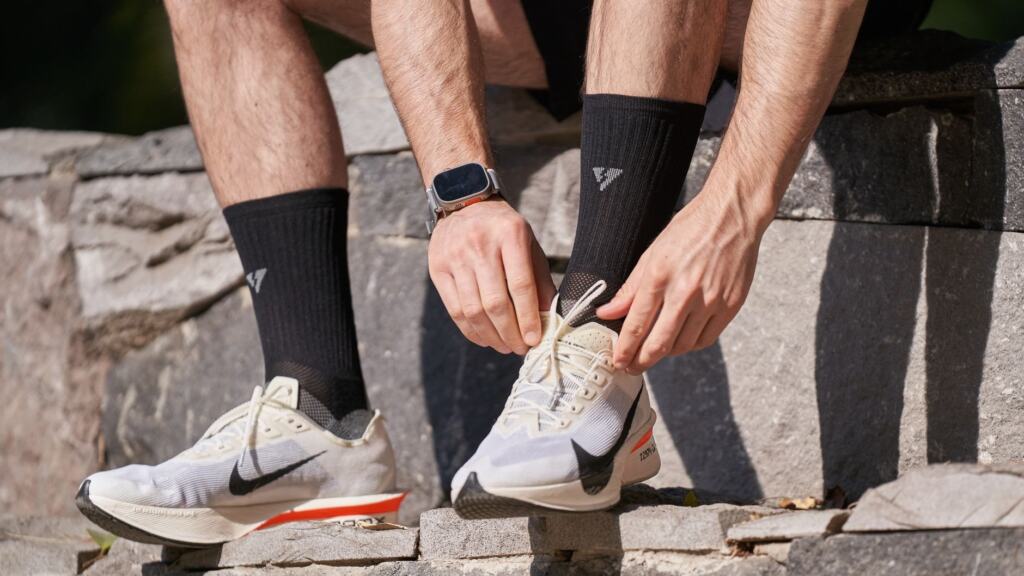
- Charge the watch fully the day before, and check the battery level again before you leave. This is how to charge a running watch before a race without surprises.
- Confirm that heart rate and any foot pod are paired with the watch.
- Pack the belt or armband with phone, cards and fuel, and test that nothing moves.
- Fit lights if the start or finish is in the dark.
- Start the watch early enough to get a satellite signal before the gun.
Pace alerts and auto lap settings
To use pace alerts on a running watch in a race, set a target range in the watch’s alert settings before the start. The watch then signals you when you drift fast or slow, so you do not need to look at it constantly. Set the range wide enough that it does not nag on every hill.
For auto lap, choose an interval that matches the distance markers on the course. That way your watch splits line up with the race’s own signs, and you can compare them without mental arithmetic. If markers and watch distance drift apart, trust the course markers for the finish and the watch for effort.
Best race belt for gels and phone
A race belt should hold gels and a phone without bouncing. Proviz describes running belts as a way to securely carry small items such as keys, a phone, energy gels, or cards while running. Check that the belt sits flat at the waist when full, and try it on a long training run before race day.

Apps, syncing and gifts
Hardware captures the data and apps make it useful. The best running apps work with the gadgets you already own, so pick the app after the watch. Our best running apps guide shows which pair well with common devices.
If you use Garmin and Strava together, how to sync garmin with strava walks through connecting the accounts so runs upload automatically.
Looking for a present? Tech gifts for runners collects ideas that suit different budgets. For sun and glare, smart glasses for running explains what the newer eyewear can do.
Frequently asked questions
Can a phone app replace a running watch?
For basic tracking, yes. Apps such as Runmeter give runners information about pace, speed and heart rate in real time, as TechNewsWorld notes. A watch is easier to read mid-run and avoids carrying a phone.
Is a reflective vest enough for night runs?
Reflective accessories help improve visibility in low-light conditions, per Proviz. The same page recommends running lights for night or very low-light running, so treat the two as complements.
What fits in a running belt?
A running belt can securely carry keys, a phone, energy gels or cards while you run, according to Proviz.