

| Vest | Stated capacity | Listed weight | Planning use |
|---|---|---|---|
| Salomon Sense Pro 5 Set | 1.5-litre water bladder | 6.7 oz | The lightest of the three. Suits runs where a modest fluid volume is enough. |
| CamelBak Circuit Vest | 100 oz hydration capacity (approximately 3 litres) | Approximately 0.5 lbs | Fluid-first choice with the highest stated hydration capacity at a low weight. |
| Salomon Advanced Skin 12 Set | 12 litres total capacity | Approximately 1 lb, depending on configuration | Storage-first pack for long runs and trail adventures. The heaviest here, and weight varies with setup. |
Capacity and weight figures are taken from this product comparison.
The best running hydration vest depends on distance: a vest with 1-2 litres of fluid capacity and a bit of storage might suffice for a two-hour summer road run, while remote all-day trail runs may need a 10-12 litre pack.
Vests are one choice among many. The running gadgets hub places hydration alongside other kit, and the sections below match a vest, belt or handheld bottle to the situation.
Belt or vest: choosing by run length
A vest earns its place when you need to carry gear as well as fluid. A belt or handheld bottle is enough when fluid is nearly all you carry. Weight is rarely the deciding factor, because the Salomon Sense Pro 5 Set is listed at 6.7 oz and the CamelBak Circuit Vest at approximately 0.5 lbs. Vests can be very light, so the decision comes down to distance and what you must carry.
- Short road runs: guidance puts 1-2 litres of fluid capacity plus a little storage as enough for a two-hour summer road run. A large pack is unnecessary at that level, and a compact vest, belt or handheld bottle all fit.
- Longer or self-supported runs: a vest becomes the sensible format once you carry food, layers and more fluid than you want to hold in your hands or hang at your waist.
- Race days: check the event rules before choosing, because a vest that suits your training may not be permitted on the start line.

What the litre figure on a vest means
Capacity in litres is the total storage volume of the vest, not just the water it holds. A vest’s litre rating therefore tells you how much of everything it can carry, and the fluid share is a separate number.
The Salomon Advanced Skin 12 Set shows the gap. It has a 12-litre capacity, described as great for long runs and trail adventures, but that is mostly room for gear. The Ultimate Direction Race Vest 5.0 comes with a 1-litre bladder, and the Sense Pro 5 with a 1.5-litre bladder. When comparing vests, read the reservoir or flask volume as the fluid figure and the litre rating as the storage figure.
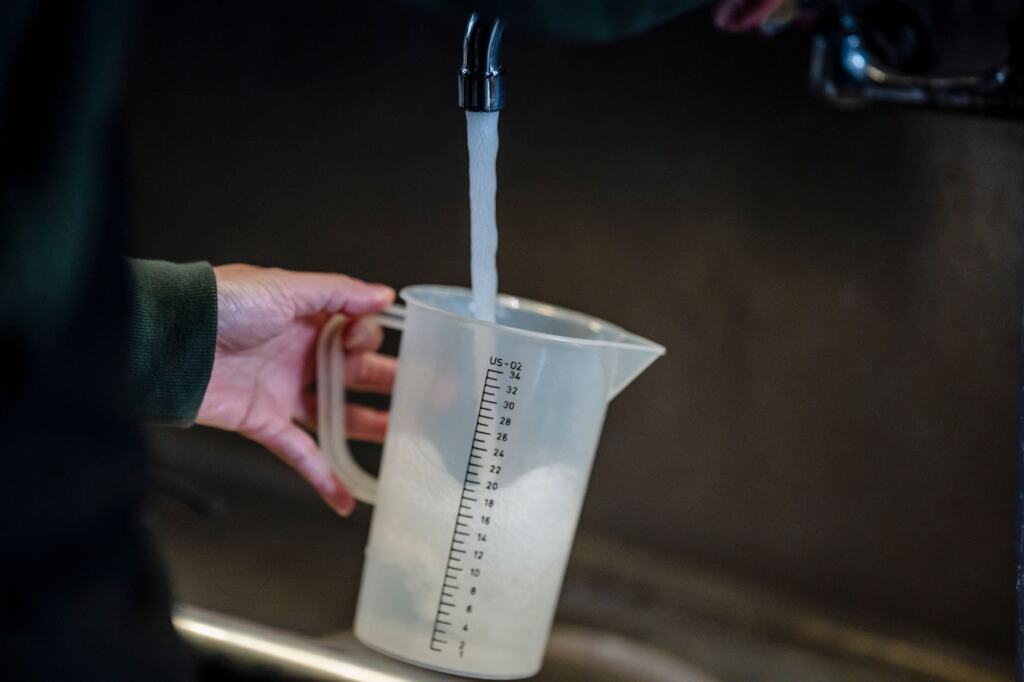
Capacity for a half marathon versus an ultra
Capacity should follow your expected time on feet and the conditions, not the longest race you might enter. The figures below are starting points drawn from published guidance and one reviewer’s experience, not targets.
- Half-marathon-style road runs: the guidance is framed around a two-hour summer road run, where 1-2 litres of fluid capacity and a bit of storage might suffice. Place yourself by your own finishing time rather than the race name.
- A 50K or similar: a reviewer ran the 2020 Laurel Highlands 50K in a Salomon vest with a three-litre reservoir in the back. That is well above the road-run range and suits long efforts between refills.
- Remote all-day trail runs: the same buying guide says you may need a 10-12 litre pack. At that point you are carrying a day’s kit, so storage matters as much as fluid.
If you sit between two categories, choose the larger fluid volume only when there are no refill points. Extra litres are extra weight on your back.
Soft flasks or a bladder reservoir
Soft flasks suit runners who want fixed, modest volumes in front pockets, while a bladder suits those who want a larger single volume. A typical soft flask holds 500 ml (16 oz), and vests often hold 2. Bladders are often 1.5L to 2L+, sometimes larger.
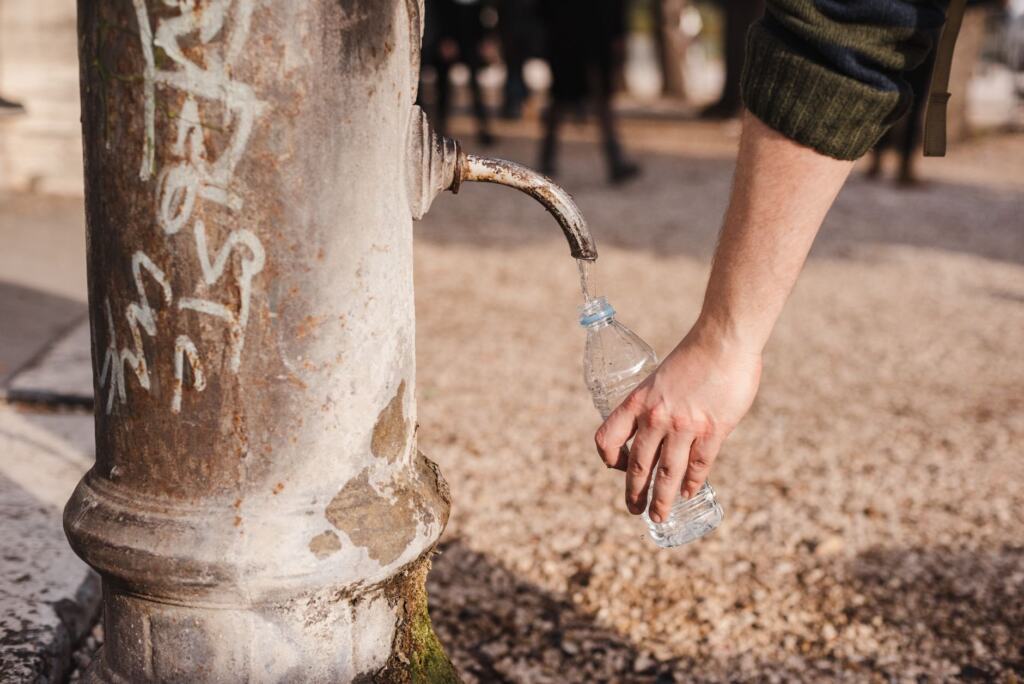
- Flasks: Salomon says its vests use Hydrapak flasks and pockets to keep hydration and gear organized. Check each listing for how many flasks come in the box before comparing prices.
- Bladders: Salomon describes the ADV Skin 8 as having capacity for a 1.5-litre hydration reservoir, so check the reservoir size a vest is designed around before fitting a larger one.
Sizing a hydration vest by chest measurement
Sizing starts with your chest. Salomon’s selector says to measure your chest circumference at the widest point and select the vest that fits your measurement.
- Measure your chest circumference at its widest point.
- Match that figure to the brand’s own size chart, since each maker sets its own ranges.
- Where a brand offers sizes such as S/M and M/L, check both chest circumference and torso length.
As a reference point, one reviewer who wears a small gives chest 34 inches and waist 27.75 inches. Treat that as one person’s data rather than a chart, and always defer to the manufacturer’s table.
Reducing bounce and chafing
A vest that moves is usually a vest that rubs, so check both before a long run. The buying guide describes a shake test, after which there should be minimal vertical movement. It also recommends flat-lock or taped seams that lie flat against the skin.
A close fit is achievable. One reviewer reports the Salomon ADV Skin 8 fits like a glove and does not shift or bounce. Since that is a single report, run the shake test yourself and adjust the sternum straps before committing to a long outing.
How much fluid to carry per hour
Plan on about 16-24 ounces per hour as a starting point, then adjust to your own needs and the weather. Heat can outrun a small reservoir. One reviewer sucked a 2-litre reservoir dry by mile 28 in 90 °F heat with 100% humidity.
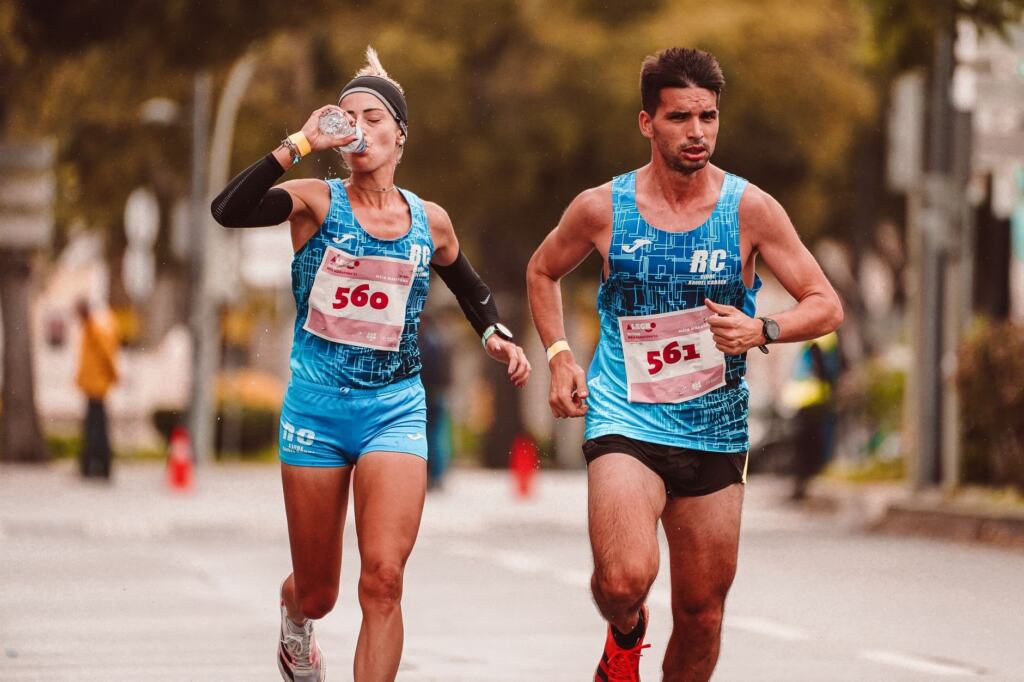
Use the hourly figure to decide how often you can refill. If you pass water points regularly, carry less. If the route is remote or hot, carry the larger volume and accept the extra weight.
Frequently asked questions
Do all races allow hydration vests?
No. The buying guide notes that not all races allow hydration pack running, so read the event rules before race day.
How long have hydration vests existed?
Salomon says it has been pioneering the first hydration vests since 2009.
Can a vest chafe if I wear very little under it?
It can. A reviewer found the Nathan Vaporhowe, a 4-litre women’s race vest, caused chafing on the mid-back when worn with only a sports bra. Test any vest against the layers you will actually wear.